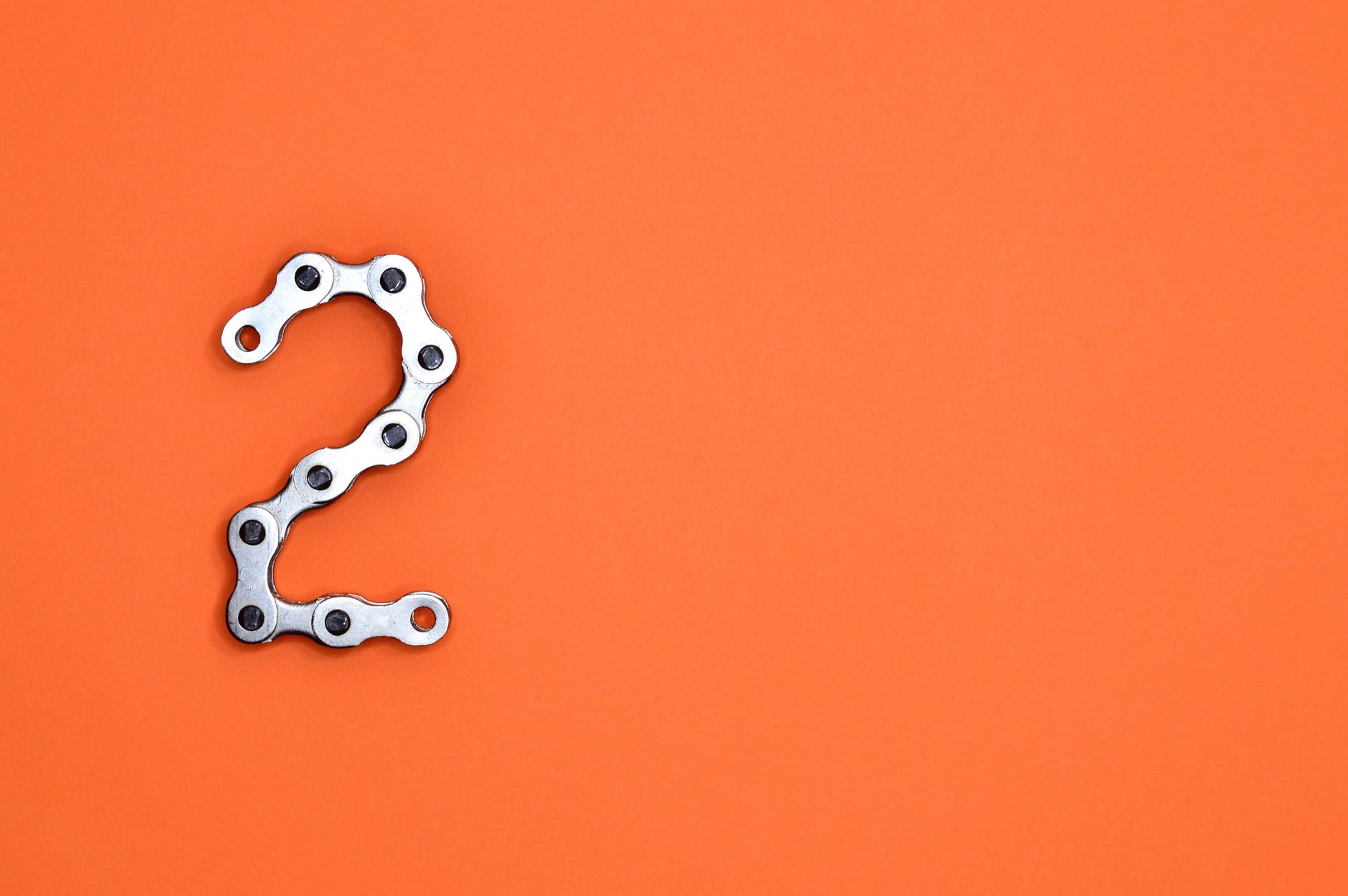
I can’t let today go past without posting a blog about today’s date written 22.2.22 or 22.02.2022, both of which are palindromes as the numbers read the same forwards and backwards. When the numbers are on a digital clock or screen, the date is also an ambigram as it can be read the same upside down. Just look at a 24 hour clock tonight at 10.22pm as it will register 22.22 on 22.2.22!
Although I have briefly mentioned the origins of the word ‘two’ previously, I feel it is appropriate to mention this again today as it is a tricky word to spell and if learners understand why it is spelt the way it is and its links to the numbers twenty and twelve, then it will be easier for them to remember how to spell it. Etymology and morphology need to be taught alongside systematic, synthetic phonics to enable learners to read and spell words. There appear to be many irregularities of spelling in the English language, but these irregularities can often be explained after investigation of the origin and/or root of a word, because grapheme/phoneme correspondence cannot be used on its own for efficient teaching of reading and spelling. The word ‘two’ comes from the Old English ‘twa’ and twegen (then twain) and also the word ‘dwo. The ‘w’ was originally pronounced, as indeed it still is in words which are connected to the word ‘two’ e.g. twin, twice, twenty, twelve, between, twine. The ‘w’ is now silent in the word ‘two’, but learners need to be aware that it is about the letter pattern and word family not the sound. Other meanings of two in words are displayed by the prefixes ‘bi’, ‘di’ and ‘du’ e.g. biennial, dioxide and duplicate.
And of course it is ‘Twosday’ today! Ok, this is a play on words but it sounds right doesn’t it? Isn’t Tuesday the second day of the working week – is that why it has the sound ‘two’ in it? Maybe not, but where does Tuesday get its name from then? The name Tuesday actually derives from the Old English Tiwesdæg and literally means “Tiw’s Day” or ‘Tyr’s Day’ thought to be from the name of the Norse god ‘Tyr’.
http://www.etymonline.com is a great site to help investigate the origin of words.
Can children recognise palindromes in words and numbers and then have a go at writing words that are palindromes for a bit of fun? Examples are rotor, madam, racecar, radar, level, refer, kayak. Word puzzles are a great way for students to explore letters and the more practise they have manipulating letters, the more confident they can become in their spelling.
Don’t forget, there are many helpful resources and videos regarding dyslexia for parents and educators on http://www.nessy.com and madebydyslexia.com. If you need a short online course to help understand dyslexia more, both these educational sites offer support. Nessy offer a choice of short online courses at a small cost – ‘Understanding Dyslexia for Teachers’ and ‘Understanding Dyslexia for Parents’. They also provide many free resources and advice on their website. Made by Dyslexia have partnered with Microsoft to offer free online training ‘Connect the Spots ‘ and provide many inspiring videos on their website and Youtube channel.
I will leave you with a fun Nessy video and song (from Nessy youtube channel) to help remind younger children when to use a capital letter in their writing! Have a good week. 🙂 PJ

You can’t help everyone,
But everyone can help someone.
 Help your child learn to read, write and spell