Parents
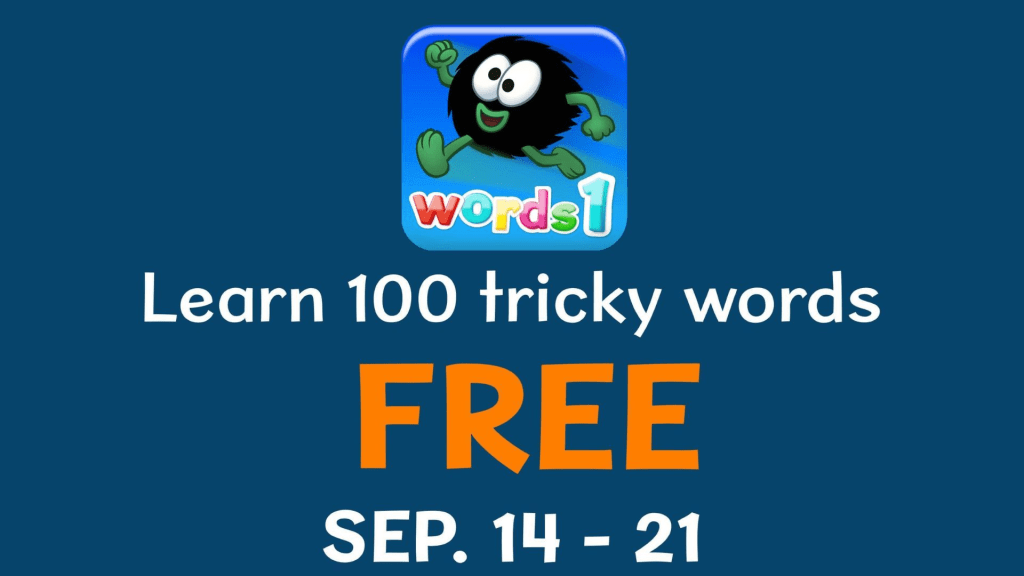
It’s not to late to celebrate the Science of Reading this September, Nessy.com have been offering lots of free educational resources, including a free phonics app every week throughout September. Go to https://www.nessy.com/en-us/the-science-of-reading/science-of-reading-september for more details. There are also lots of free educational resources on their site throughout the year.
Last day for this app, so apply today!
Educators
SEND Station offer lots of affordable training and support for educators. I have attended various sessions led by the very knowledgeable professionals experienced in SEN. Go to https://www.sendstation.co.uk/ for a calendar of events.
Syllables and Spelling
There are various strategies and helpful hints to try and make reading and spelling easier. CLOVER is an acronym to help remind us of the main syllable types, which can help learners when reading and spelling words. These different syllable types are taught at various stages in a structured, systematic literacy programme. Look at the Spelling page on this site to find out what those letters stand for and an explanation of the syllable types.
Don’t forget though, there are a lot of words in the English language that do not follow the general spelling rules, often because they have originated from different languages. Www.etymonline.com is a great resource to discover the origin of words, which will often explain the spelling. Phonics, morphology and etymology need to be learned together to help with reading and spelling, especially for the older learner.
WWW.phonicbooks.co (or PhonicsBooks.com) publish some great phonic books, including some interesting ones for catch up readers. They also offer some useful information and resources on their facebook page and on the news section on their website. I especially liked their recent resource on facebook showing typical letter and sound confusion. Similar looking letters can easily be confused, but so can similar sounding phonemes, especially the voiced and unvoiced sounds such at /t/ and /d/ which are formed by the mouth in the same way, but the /t/ is unvoiced and the /d/ is voiced. Speech and language plays such an important part of learning to read and spell.
Take care and have a good week. 🙂 PJ

Through each week’s challenges, remember, you are enough!
We can only try our best throughout life.
 Help your child learn to read, write and spell