
Well, time certainly flies! Originally I was posting once a week, then once a month and yet somehow this is my first post of 2023. Welcome to those who have subscribed and liked pages over the past couple of months, it really is appreciated. It is lovely to see that these pages are having so many views from different countries and people are being directed to this site for spelling and reading support from search engines. I hope you have all managed to find some useful information on here and thank you for reading my blog.
Well, what have learners found tricky regarding spellings over the past couple of months? I have been asked to explain what is a good way to teach the spelling of ‘wh’ question words and especially how to help a learner differentiate between ‘where’ and ‘were’. I have found the best strategy is categorising all the one word question words together i.e. where, why, what, who and when, as all these begin with ‘wh’. Although the word ‘were’ can be part of a question, it does not make sense on its own as a question, so will not be part of the ‘wh’ spelling family. To aid visual memory, I tend to draw rugby posts and ‘birds’ sat on them, to symbolise the W and the H. (I have a feeling years ago I may have seen them taught as little bottoms sat on the rugby posts, but going with the times and the fact that the letter ‘w’ is now usually written with straight lines in handwriting schemes, I feel it is better to teach this as a bird perched on the rugby post instead!) The story is that the bird flies onto the rugby post with the bird representing the letter ‘W’ and the rugbypost represents the letter ‘H’ for the first 2 letters of each of the question words where, when, what, who, why. However, the bird has flown off the one rugby post which represents the one word question ‘how’ – with the phrase ‘How did that happen?’ This visual helps distinguish between the words who and how, which are sometimes muddled in spellings as well as separating the words ‘where’ and ‘were’. Using multisensory ways can really help unusual spellings to be retained in the longer term memory.

Unfortunately, I recently noticed that the link I posted on this site for the interactive alphabet arc does not seem to be working. I can’t seem to connect to it either, which is a real shame as this site has been so useful to help learners sequence the alphabet . I will try to find an alternative, but in the meantime, magnetic letters are always so useful for a learner to manipulate to help them with alphabet sequencing, reading and spelling
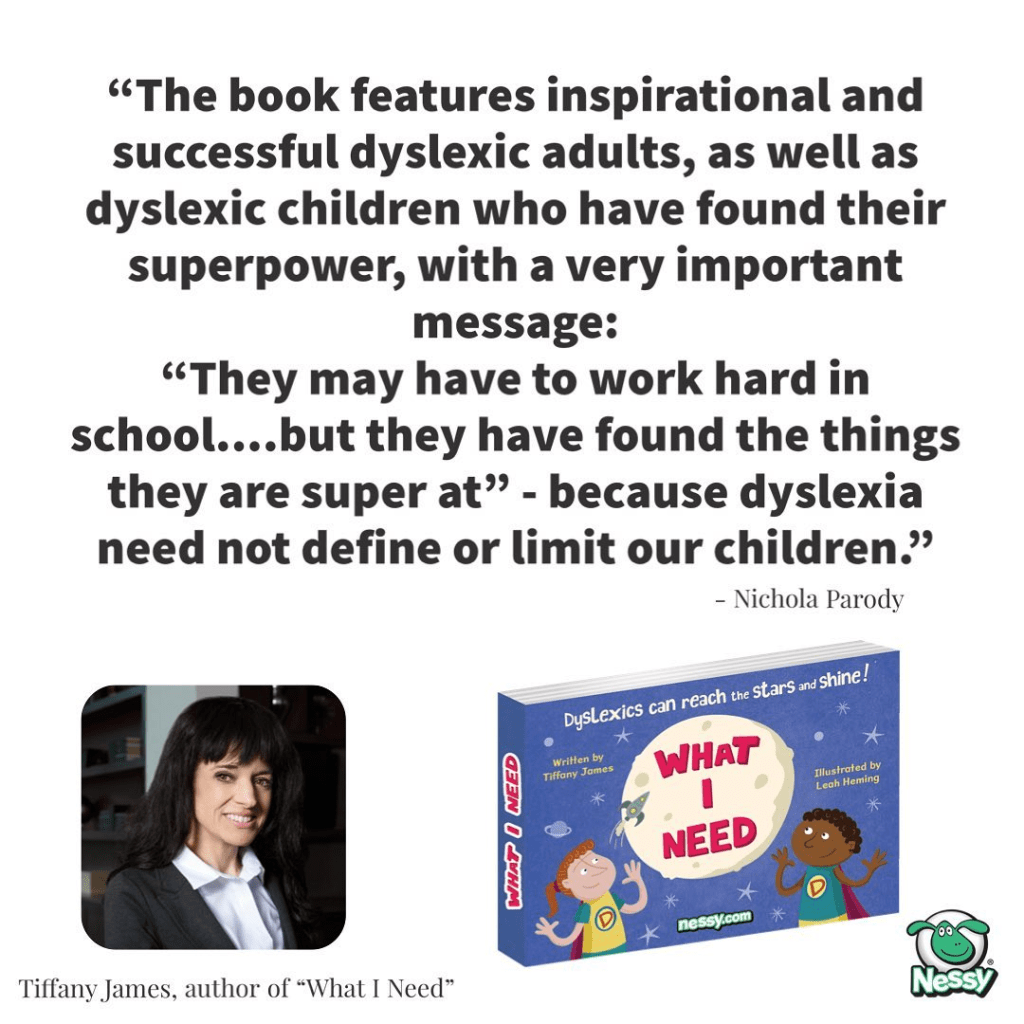
You may like to know that the really useful E books ‘What I Need’ and ‘Dyslexia Explained’ can be downloaded for free on https://www.nessy.com/en-us/free-resources.
Hopefully, once I get back into the routine of writing monthly updates again, there will another blog in March. I will start now gathering lots more information and news ready for next month! I have missed writing these posts, but sometimes there just never seems quite enough time for everything!
Have a great few weeks everyone! 🙂 PJ

 Help your child learn to read, write and spell